Debunking common myths about gambling What you need to know
Understanding the Risk of Gambling
One of the most persistent myths about gambling is that it is a surefire way to make money. Many believe that if they play long enough, luck will eventually favor them, leading to substantial winnings. In reality, gambling is designed to favor the house, meaning that over time, players are likely to lose more than they win. The thrill of potential wins can be intoxicating, but it is important to approach gambling with a clear understanding of the odds involved. For more information, visit jellyexpress.games, where players can explore various strategies for managing their bankroll effectively.
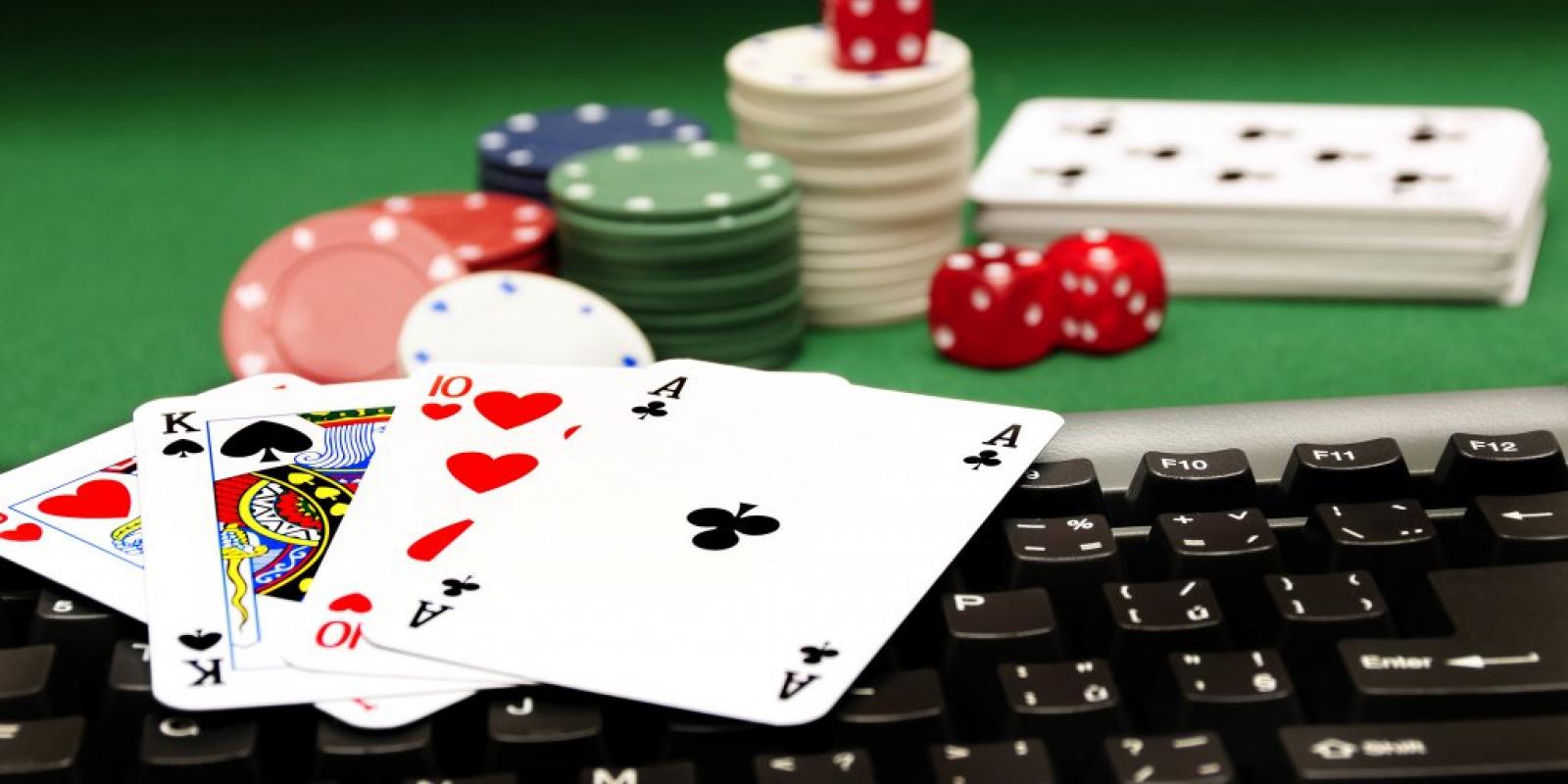
Moreover, this myth can lead individuals to engage in reckless behavior, such as chasing losses, which can exacerbate financial difficulties. For instance, a player who loses their initial stake may feel compelled to continue betting in hopes of recovering their losses. This emotional rollercoaster is a dangerous trap that can lead to significant financial and emotional strain. It’s crucial for gamblers to recognize the inherent risks and set strict limits on their playtime and bankroll.
Understanding the statistics and probabilities behind games can demystify the allure of quick wins. Players should take the time to learn about house edges and return-to-player percentages, which can help them make informed decisions. A clear grasp of these concepts can foster a more responsible gambling mindset and mitigate the risk of significant losses.
The Myth of Lucky Numbers and Superstitions
Many gamblers hold strong beliefs in lucky numbers and superstitions, thinking that specific rituals or items can influence the outcome of their bets. This notion often leads players to employ various strategies based on luck rather than skill or strategy. While it might be fun to have a “lucky charm” or to choose specific numbers that have personal significance, these practices do not hold any mathematical weight in determining the outcome of games of chance.
In games like roulette, for instance, the outcome is entirely random, making it impossible for a player to predict where the ball will land. Believing in lucky numbers can distract players from making strategic decisions based on the odds. By focusing on superstitions instead of the statistical realities of gambling, players risk mismanaging their bets and losing sight of sound gambling strategies.
It’s essential to replace these myths with facts. Gamblers should educate themselves about the nature of randomness and probability. This can not only enhance their gaming experience but also instill a sense of discipline that could lead to better bankroll management and improved decision-making while betting.
The Illusion of Skill in Games of Chance
Another common myth is that skill can dramatically alter the outcomes in games that are primarily based on chance. While certain games, like poker, do indeed require a level of skill and strategy, many gambling forms, such as slot machines and roulette, are completely random. This misconception can lead inexperienced gamblers to believe that they can manipulate the results through strategy, ultimately causing them to ignore the reality of the game.
Players often underestimate the impact of luck in their gameplay, leading to an inflated sense of confidence. For example, someone might think that a series of wins indicates that they have mastered the game, only to be faced with eventual losses that defy their expectations. Recognizing the balance between skill and luck can lead to a more grounded approach, allowing players to set realistic expectations.
Moreover, the belief in skill can lead to overconfidence, which can be detrimental to bankroll management. By assuming that they can control the outcome, players may invest more than they can afford to lose. Understanding the dynamics of games is crucial, and those who wish to develop their skills should focus on games where their knowledge and abilities can truly impact the outcome.
The Role of Gambling in Entertainment
Gambling is often misconstrued as a means to achieve financial success or a way out of financial troubles. While some individuals may experience a short-lived win, relying on gambling as a primary source of income is highly risky and unrealistic. It is crucial to recognize that gambling should primarily be viewed as a form of entertainment, not a financial strategy. Viewing it through this lens can significantly alter the way individuals engage with it.
Those who approach gambling with an entertainment perspective are less likely to experience the stress and emotional strain that comes from expecting to win money. They can set limits on their spending and view their bets as purchases for a fun night out, rather than investments that need to yield profit. This mindset promotes healthier gambling habits and helps to prevent the development of gambling-related problems.
Furthermore, understanding gambling as a form of entertainment allows for a more enjoyable experience. When players focus on the excitement of the game rather than the potential financial rewards, they are more likely to engage in responsible gambling practices. They can celebrate wins as bonuses to their entertainment rather than necessities, ultimately leading to a more satisfying and balanced experience.

Conclusion: Understanding Responsible Gambling
As the discussion around gambling myths continues, it’s vital to promote responsible gambling practices. Education is key in dispelling misconceptions and fostering a healthier relationship with gambling. By recognizing the realities of odds, the role of luck, and the importance of viewing gambling as a form of entertainment, individuals can protect themselves against the potential pitfalls associated with gambling.
Many resources are available to those seeking to learn more about responsible gambling. Engaging in continuous education and awareness about the myths and realities of gambling can empower individuals to make better decisions. By setting limits, understanding risks, and approaching games with a balanced mindset, players can enjoy the experience without falling victim to the common myths that plague the gambling world.
Ultimately, it’s important to find a platform that prioritizes responsible gaming. Websites that promote transparency and educate their players help build a safer gambling environment. Engaging with reputable platforms can lead to a more fulfilling and responsible gaming experience, ensuring that players enjoy the thrill of gambling without compromising their well-being.